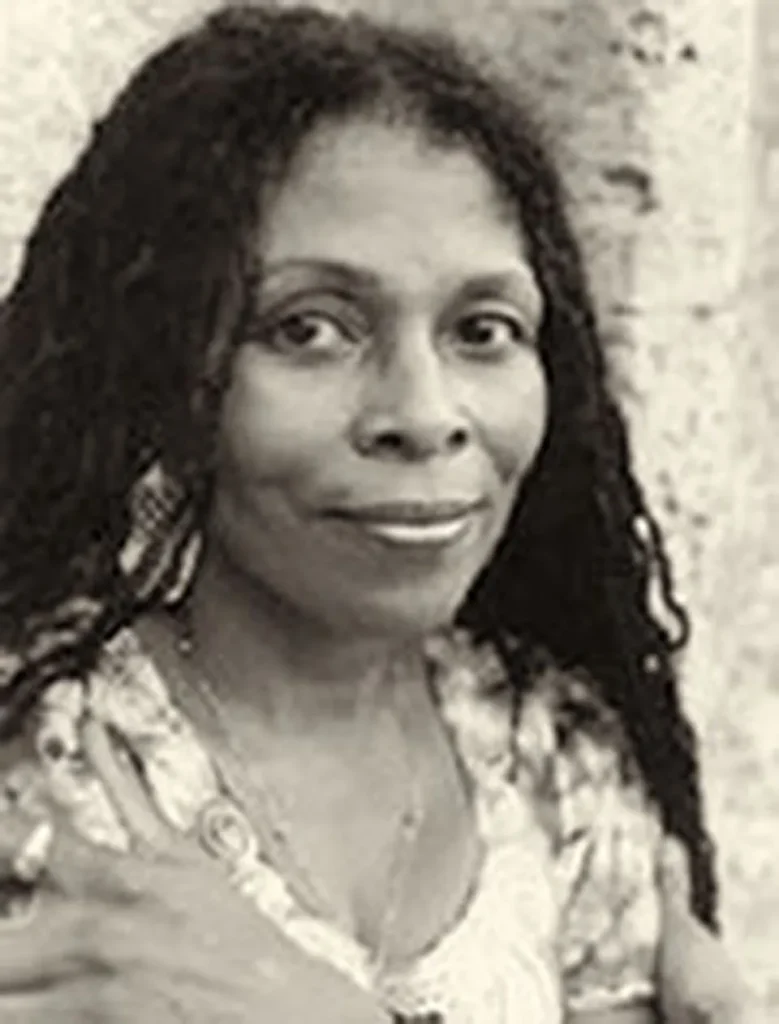
Assata Shakur, a name that echoes through the corridors of American history, is a symbol of resistance, freedom, and empowerment. Born JoAnne Deborah Byron on July 16, 1947, in Flushing, Queens, New York, Shakur’s life has been a testament to the power of conviction and the unyielding pursuit of justice. As a Black Panther Party member, activist, and former political prisoner, her story is a beacon of hope for those fighting against systemic oppression and racism.
Early Life and Radicalization
Growing up in a middle-class family, Shakur’s early life was marked by a sense of disillusionment and discontent. She attended the Borough of Manhattan Community College and later the City College of New York, where she became increasingly politicized. The civil rights movement, the Black Power movement, and the Vietnam War protests all played a significant role in shaping her radical worldview.
Shakur’s involvement with the Black Panther Party, founded by Huey P. Newton and Bobby Seale, marked a pivotal moment in her life. The party’s emphasis on community empowerment, self-defense, and anti-capitalist ideology resonated deeply with her. As a member, she became known for her impassioned speeches, her commitment to social justice, and her unwavering dedication to the cause.
The New Jersey Turnpike Shootout and Trial
On May 2, 1973, Shakur was involved in a shootout on the New Jersey Turnpike, which resulted in the death of a New Jersey state trooper, Werner Foerster. Shakur was arrested and charged with murder, along with several other Black Panther Party members. The subsequent trial, which lasted from 1973 to 1977, was marked by allegations of police brutality, coerced confessions, and racial bias.
Despite the questionable nature of the evidence, Shakur was convicted of first-degree murder and sentenced to life in prison. Her conviction was widely condemned by human rights organizations and activists, who saw it as a prime example of systemic racism and political persecution.
Escape and Exile
In 1979, Shakur escaped from the Clinton Correctional Facility in New Jersey, aided by a group of sympathizers. The dramatic escape, which involved a shooting and a high-speed car chase, was met with widespread media attention and public outcry.
Shakur eventually made her way to Cuba, where she was granted political asylum by Fidel Castro‘s government. She has lived in exile ever since, continuing to advocate for social justice and human rights from afar.
Legacy and Impact
Assata Shakur’s legacy extends far beyond her personal story. She has become a symbol of resistance, a beacon of hope for those fighting against systemic oppression and racism. Her courage, conviction, and unwavering commitment to the cause have inspired generations of activists, artists, and thinkers.
In recent years, Shakur’s legacy has gained new relevance, as the Black Lives Matter movement and other social justice organizations have drawn inspiration from her courageous struggle. Her story serves as a powerful reminder of the importance of standing up against injustice, even in the face of overwhelming odds.
Conclusion
Assata Shakur’s life is a testament to the power of conviction, the importance of standing up against injustice, and the enduring spirit of resistance. As we reflect on her remarkable story, we are reminded of the importance of staying informed, staying vigilant, and staying committed to the cause of social justice.
So, take the time to explore more about Assata Shakur’s incredible life, and let her inspiring story ignite a fire within you. Remember, the struggle for justice is ongoing, and we all have a role to play in shaping a more equitable and just society for all.