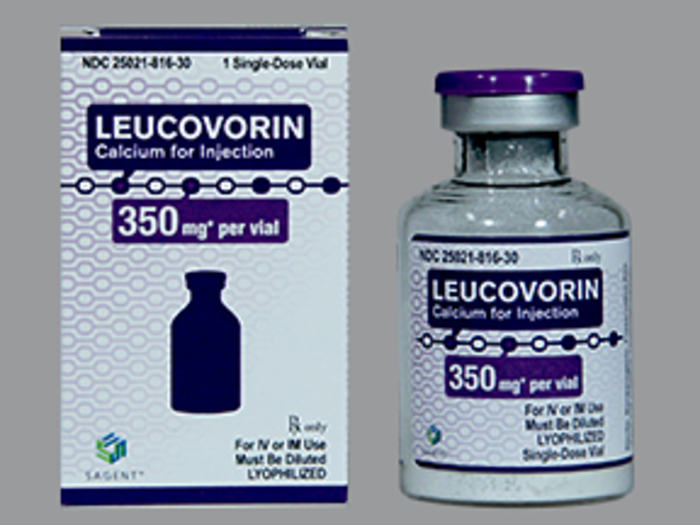
If you or a loved one has been diagnosed with cancer, you’re likely no stranger to the world of chemotherapy. One medication that’s often prescribed alongside chemotherapy is Leucovorin, also known as folinic acid. But what exactly is Leucovorin, and how does it work to help treat cancer? In this article, we’ll delve into the world of Leucovorin, exploring its uses, benefits, and potential side effects.
What is Leucovorin?
Leucovorin is a medication that’s used to treat a range of cancers, including colorectal cancer, breast cancer, and osteosarcoma. It’s often prescribed in conjunction with chemotherapy, particularly 5-fluorouracil (5-FU), to help reduce the severity of side effects and increase the effectiveness of treatment.
Leucovorin works by providing the body with a source of folate, a B vitamin that’s essential for cell growth and development. When cancer cells grow, they use up large amounts of folate, which can lead to a deficiency in the body. By supplementing with Leucovorin, doctors can help ensure that healthy cells have the nutrients they need to function properly, while also making it harder for cancer cells to grow and multiply.
How is Leucovorin Administered?
Leucovorin is typically administered intravenously, either through a vein in the arm or through a port implanted under the skin. The medication is usually given in a series of cycles, with each cycle lasting several days or weeks. The dosage and frequency of Leucovorin will depend on the individual case, as well as the type and severity of the cancer being treated.
In some cases, Leucovorin may be given orally, in the form of a tablet or capsule. However, this is less common, as the intravenous route tends to be more convenient and effective. Your doctor will be able to advise on the best course of treatment for your specific situation.
Benefits of Leucovorin
So, why is Leucovorin such a crucial component of cancer treatment? There are several benefits to this medication, including:
Reduced Side Effects: Leucovorin can help mitigate the severity of side effects associated with chemotherapy, such as nausea, vomiting, and diarrhea. This can make a huge difference in the quality of life for cancer patients.
Improved Treatment Outcomes: By reducing the growth rate of cancer cells, Leucovorin can help make chemotherapy more effective. This can lead to better treatment outcomes and increased survival rates.
Faster Recovery: Leucovorin can help healthy cells recover more quickly from the effects of chemotherapy, reducing the risk of complications and promoting a faster return to normal function.
Possible Side Effects of Leucovorin
While Leucovorin is generally well-tolerated, there are some potential side effects to be aware of. These may include:
Allergic Reactions: In rare cases, patients may experience an allergic reaction to Leucovorin, which can manifest as hives, itching, or difficulty breathing.
Gastrointestinal Issues: Leucovorin may cause nausea, vomiting, or diarrhea, particularly when given in high doses.
It’s essential to discuss any concerns or questions you have with your doctor, as they can help mitigate potential side effects and ensure you receive the best possible care.
Conclusion
Leucovorin is a vital medication in the fight against cancer, providing essential nutrients to healthy cells while inhibiting the growth of cancer cells. While it’s not a cure-all, Leucovorin can make a significant difference in the quality of life for cancer patients, reducing side effects and improving treatment outcomes. If you’re facing a cancer diagnosis, be sure to talk to your doctor about the role Leucovorin could play in your treatment plan.
Remember, every individual is unique, and the most effective treatment plan will depend on your specific situation. By staying informed and working closely with your healthcare team, you can take an active role in your care and maximize your chances of success.